Pressure Washing vs. Soft Washing: What's the Difference and Which Is Right for Your Property?
Keeping your home or commercial property clean is about more than just curb appeal. Over time, dirt, mold, mildew, algae, and other environmental contaminants build up on exterior surfaces. Without proper cleaning, this buildup can affect the appearance and longevity of your property.
Two of the most common exterior cleaning methods are pressure washing and soft washing. While both are effective, they serve different purposes and are designed for different types of surfaces.
At Pinnacle Skywash, we believe that choosing the right cleaning method is just as important as getting the job done. Here's what you need to know about pressure washing versus soft washing.

What Is Pressure Washing?
Pressure washing uses highly pressurized water to remove dirt, grime, mud, and other buildup from hard exterior surfaces.
The cleaning power comes primarily from the force of the water, making it an effective solution for surfaces that can withstand higher pressure.
Common pressure washing applications include:
Concrete driveways and sidewalks
Parking lots
Patios and walkways
Certain brick and masonry surfaces
Other durable exterior surfaces
Pressure washing is especially effective for removing stubborn surface dirt, mud, and buildup from hard surfaces.
However, using excessive pressure on delicate materials can cause damage, which is why proper equipment, pressure settings, and technique are essential.
What Is Soft Washing?
Soft washing takes a different approach. Instead of relying on high-pressure water, soft washing uses specialized cleaning solutions and low-pressure application to break down and remove organic contaminants.
This method is particularly effective against mold, mildew, algae, and other biological growth.
Rather than simply blasting away surface dirt, soft washing treats the underlying organic buildup, helping deliver a more thorough clean.
Common soft washing applications include:
Roofs and shingles
Vinyl siding
Stucco
Painted surfaces
Exterior walls
Fences
Certain delicate building materials
Soft washing is often the preferred method for surfaces that could be damaged by traditional high-pressure cleaning.
Pressure Washing vs. Soft Washing: The Main Differences
Although both methods are used to clean exterior surfaces, the biggest difference is how they remove contaminants.
Pressure Washing
Relies primarily on water pressure.
Best suited for durable surfaces.
Removes dirt, mud, and stubborn surface buildup.
Can be effective for concrete and other hard surfaces.
Requires careful pressure control to avoid damage.
Soft Washing
Relies primarily on specialized cleaning solutions.
Uses low-pressure water application.
Targets mold, mildew, algae, and organic growth.
Ideal for many delicate exterior surfaces.
Helps treat organic contaminants rather than simply removing surface buildup.
Neither method is automatically better than the other. The right choice depends on the surface being cleaned and the type of contamination present.
Why Using the Wrong Cleaning Method Can Cause Damage
One of the biggest mistakes in exterior cleaning is assuming that more pressure means a better clean.
High pressure can damage roofing materials, strip paint, force water behind siding, deteriorate mortar, and leave permanent marks on certain surfaces.
On the other hand, using soft washing when a surface requires mechanical cleaning may not produce the desired results.
Professional exterior cleaning is about understanding the material, identifying the type of buildup, and selecting the appropriate cleaning method.
Using the correct technique helps protect your property while delivering better results.
Which Method Is Better for Your Home or Business?
The answer depends on what needs to be cleaned.
For example, a concrete driveway covered in dirt and grime is generally a good candidate for pressure washing. A roof covered in algae or a house with organic growth on its siding is typically better suited for soft washing.
Commercial properties may require a combination of both methods. Concrete walkways and parking areas may need pressure washing, while building exteriors may benefit from soft washing.
A professional cleaning assessment can help determine the safest and most effective approach for each surface.
How Drone Technology Is Changing Exterior Cleaning
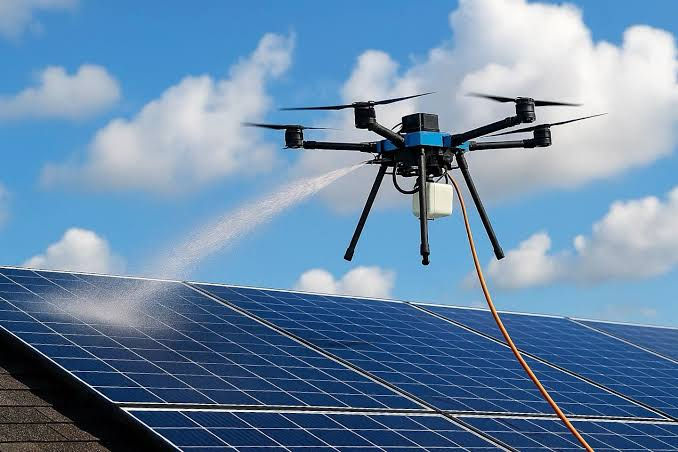
Exterior cleaning is evolving, and drone technology is creating new opportunities for cleaning tall buildings and hard-to-reach surfaces.
At Pinnacle Skywash, we use specialized drone cleaning technology to help make exterior cleaning more efficient and accessible.
Drone systems can apply cleaning solutions and water to elevated building surfaces while operators remain on the ground. This can reduce the need for traditional access equipment such as lifts and scaffolding on suitable projects.
Combined with the appropriate cleaning method, drone technology offers a modern approach to maintaining commercial and residential properties.
Why Choose Pinnacle Skywash?
At Pinnacle Skywash, we understand that every property is different. That's why we focus on selecting the right cleaning method for each surface rather than relying on a one-size-fits-all approach.
We provide professional exterior cleaning services for residential and commercial properties throughout our service area.
Our services include:
Pressure washing
Soft washing
Drone exterior building cleaning
Window cleaning
Solar panel cleaning
Commercial and residential exterior cleaning
Whether you need your driveway pressure washed, your home soft washed, or your commercial building cleaned using drone technology, Pinnacle Skywash has the equipment and expertise to help.
The right cleaning method makes all the difference.
Pinnacle Skywash — A Higher Standard of Exterior Cleaning.


Comments